How to Not Cross Examine a Witness
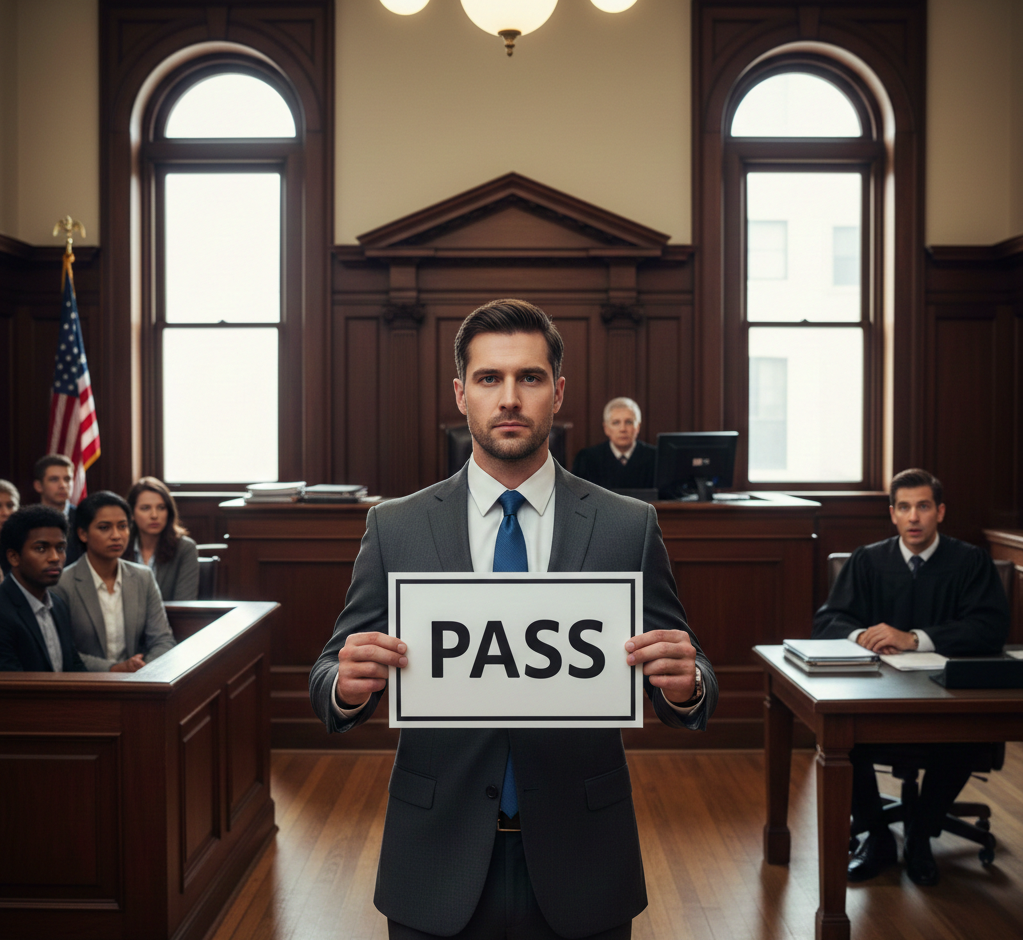
A reader wrote in to say that our last post might alternatively have been titled “How Not to Ask a Question.” In the spirit of teaching what works by describing what doesn’t, we'd like to start the year off by describing the biggest mistakes that we see in cross examining a witness at trial, including when it is a mistake to do so at all.
Like many other parts of legal practice, most mediocre-to-bad cross examinations come from attorneys who have not stopped to think through why they're doing what they're doing. Autopilot is the default condition for many attorneys and many firms. It's easy to slip into because a lot of litigation tasks are repetitive. Lawyers know that document requests and interrogatories are served in discovery, so they “come up” with some. They know that depositions are normally taken before trial, so they ask a day of meandering questions to whichever witnesses seem “important.” Some junior or mid-level associate gets tasked with putting together a summary judgment motion, so they take an older motion from a similar case, swap out the facts, and update the legal arguments a touch.
This is a poor but not disastrous way to run a case and, in a world where most lawsuits settle long before jury selection, you can understand how it has become widespread. But it's very ill-suited for trial and potentially catastrophic for cross examination. While there is no way to collect hard data on the subject, I would estimate that at least a quarter and perhaps as many as a third of cross examinations are worse-than-useless and the attorney would have been better served by not even standing up.
So, before you stand up to question a witness, put a few questions to yourself, starting with “Why am I doing this?” If you don't have an answer, then go no further. But even if you do, interrogate that answer. You're probably thinking of answers like:
· To undermine the testimony the witness just gave
· To show that the witness is dishonest
· To force the witness to admit Fact X
· To make argument Y about the issues the witness just testified about
· Because the judge/jury will think I’m weak if I don’t
But before you blindly accept any of these reasons, consider the following questions:
Was the Direct Testimony Any Good?
Before you stand up, consider what you just heard in direct examination. Is it even worth responding to? Does it move the needle at all with respect to the issues in the case? Lawyers will call witnesses at trial that are truly unnecessary, but that doesn’t obligate you to play along. If the witnesses testimony was pointless or impossible to follow, asking questions in cross examination may just give the witness or the other side's lawyer a second chance to get some kind of useful message across.
Are My Questions Any Good?
A witness may be devastating for your case, and you may want very badly to tear them down in cross examination. But wanting doesn't make it so, and there is truly no worse coda to a brutal direct examination than a desperate and ineffective cross.
Not every cross examination is going to be a resounding victory. But you should fight battles that you have a good chance to win. If you don't have points to score against the witness that are at least as interesting and effective as what they testified to in direct, you do yourself no favors by standing up. If you can’t win through a cross examination, you should find another way to win, likely through other evidence, other witnesses, and arguments in closing. Remember, your obligation is to take your best shot, consistent with the ethics rules, to win the case for you client, not to go through the motions on a plan that you know will fail.
Does it Matter What They Admit To?
Often you can force a witness to admit facts that are good for you in cross examination. But if those facts aren't genuinely disputed and the jury has heard them six times, what precisely have you accomplished? And if a witness isn’t a party, does it even matter what they say about contested issues?
How Am I Going to Look Fighting with This Person?
Not every cross examination is nasty or contentious. But it’s still not a friendly thing to do to anyone. A little aggressive questioning of certain people is expected. If the witness is a plaintiff or defendant, it's probably going to look fine to tussle with them. You shouldn't go out of your way to be a jerk, but the jury knows which side you are on and that it ain’t theirs.
But if the witness is a third party, think carefully before you turn up the heat. You might think that the sweet old lady who saw a car crash while walking her dog has radically misremembered what happened. But even if you’re right, think about how you're going to look sparring with her even in a gentle way. If the jury concludes that she’s mistaken and you’re a monster, what does that do to your chances of winning?
Is There a Better Way to Make My Point?
We don't recommend saving arguments for closing and if an argument or exhibit is critical to your case, the jury needs to see it early and often. But if your only cross against a witness is an argument that you can make much more persuasively through other witnesses, consider whether it's worth doing at all. The first time that a jury hears your best argument should probably not be with a hostile witness explaining why it is dumb.
If you do have a good reason to cross examine a witness, keep it focused, keep it moving, and keep the jury interested. The jury has been conditioned by television and movies to expect fireworks and drama. You can't necessarily match what they've seen on the screen, but you'd be well served to remember that and that's what they're comparing you against. They are fully expecting you to tear the witnesses apart, so if you don't at least look like you are landing blows, they may score the match a loss. This is true even if you feel like you got some “good admissions” somewhere in the transcript.
So, what are some common mistakes that we see?
1. The Direct Examination (Again)
Imagine that you start every witness examination with a blank legal pad in front of you. You take notes on what the witness says and jot down a pointed question or two in response to each bit of harmful testimony. If you stand up and try to cross the witness with these notes, you will effectively walk them through their direct examination a second time. And unless your pointed questions are truly brilliant, they will be completely lost in this lengthy recapitulation of harmful testimony.
This sounds like parody, but it is not. There are many attorneys who will go start to finish through a witness's story on direct during cross examination. In the process they will do little more than ineffectively kick the tires on a few specific details. In some cases, the witness will present far better testimony on cross than they did on direct! This is obviously worse than useless. Do not do it.
2. The Neverending Grab Bag of Unrelated Points
On the opposite end of the spectrum, imagine that you have a band of bright associates to ensure that you're well prepared for cross examination. You tell them to look at every document that the witness appears on and draft a cross examination “module” for you to use about each. You get back a novella length document with no particular organization to it. Prudent person that you are, you review it before trial and cut the dumbest 50% of questions while punching up some of what remains.
This is better, but still not great. If you stand up and try to cross the witness with this document, your examination is going to be long, boring, and almost impossible to follow. You may score some killer points—your team is bright, remember?—but they may be lost in a sea of side issues and “is this really an admission” admissions as you jump backwards and forwards through time like Doctor Who with each new module.
Because there's no structure and no prioritization, the jury doesn't know what's important and has no idea how long the questioning is even going to last. Faced with a seemingly endless march of unrelated questions, many are likely to stop paying attention altogether.
3. The Greatest Hits Catalog of Exhibits
Now imagine that you begin a witness examination with your dozen best exhibits sitting in a pile in front of you. These are the biggest bombs in your arsenal. So, if this witness needs to be taken down, let's fire them all, right?
If you are literally trying a one witness (or basically one witness) case, this might actually work out OK. You won't be getting any gold stars from me, but at least you'll be focusing the jury's attention on evidence that's good for you. But in any kind of complex multi-witness case this is a horrible strategy. It’s completely non-responsive to the witness’s testimony and might even give the impression that you’re trying to hide from it.
It also weakens the impact of your best evidence. You want the jury to see your good documents and hear your good arguments more than once, but if your opening, closing, directs, and crosses, all sound exactly the same, the jury is going to tune you out. Worse they are likely to conclude that you don't have a lot of evidence on your side.
Also, just because an exhibit is good for you doesn't mean that it's good for cross examination. If the other side is even halfway awake, they'll have at least some kind of explanation for your best few exhibits. You really don't want that explanation repeated by every single one of their witnesses.
What do all of these bad strategies have in common? They're all ways that lawyers try to cross examine witnesses without considering why they're doing it or what they're trying to accomplish. But if you take the time to think about why you want to cross a witness and what specifically you need to get out of them, you can avoid the pitfalls and disastrous trial results that autopilot crosses can often lead to.